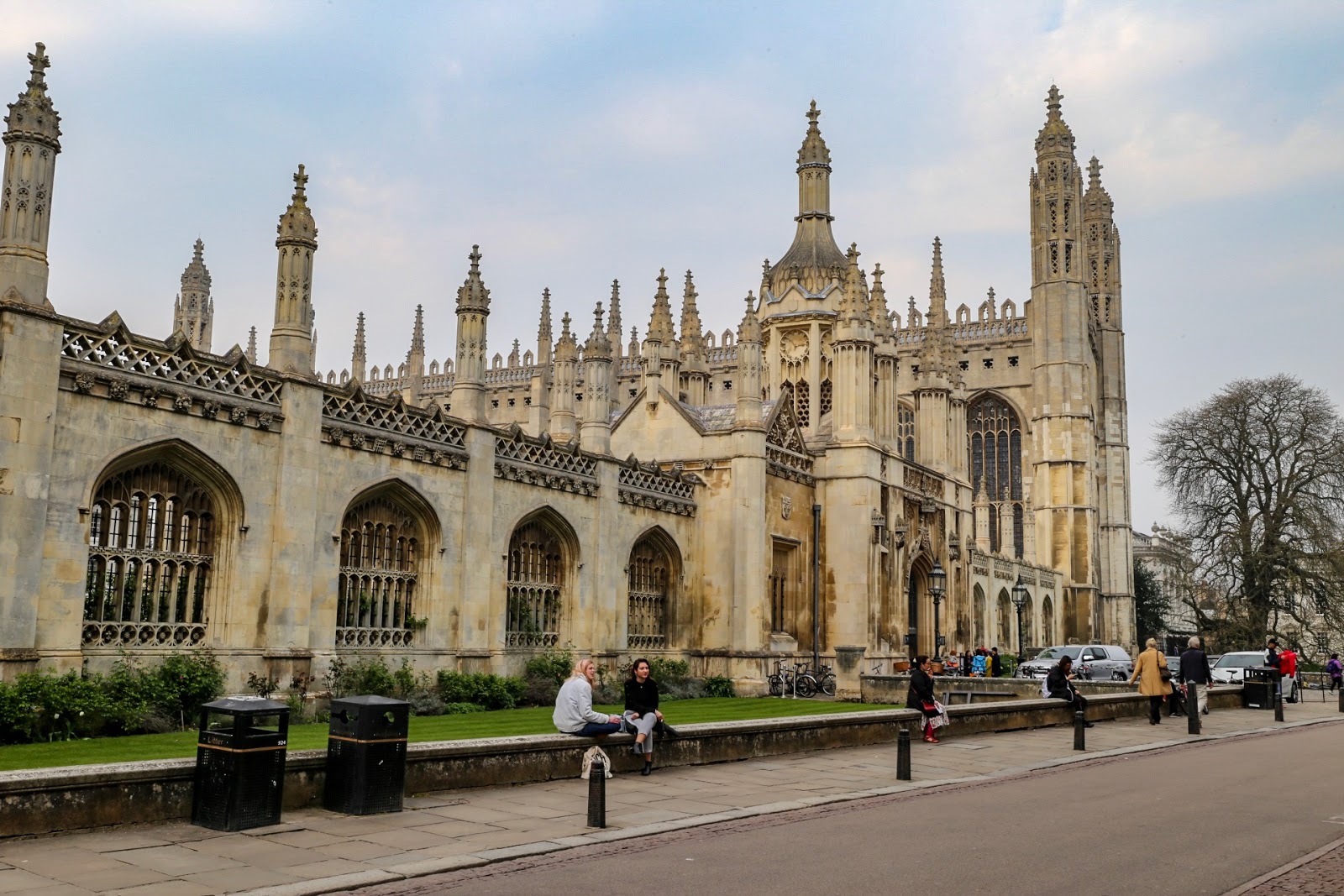
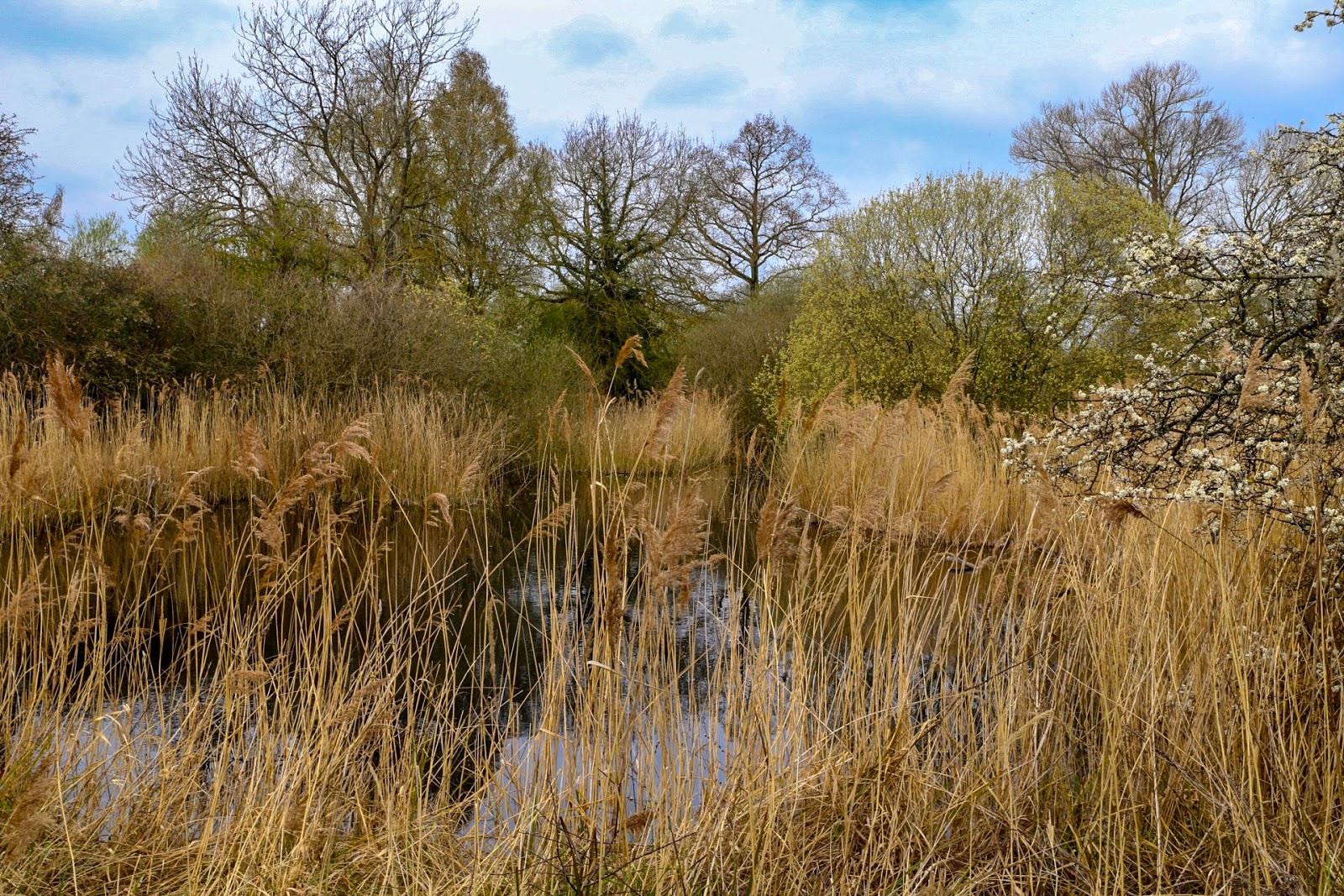
This years Autumn Trip is across the border to England. The reason for us venturing south is to attend Barbaras’s friends 60th wedding anniversary and we decided to stop at various campsites on the way down and back up to end up at our daughters in Edinburgh.
Richmond Hargill House Campsite - North Yorkshire.

This small Camping and Motorhome Club Site is situated just off the A66 about a mile from Scotch Corner and has 56 large pitches but does not entertain tents. A very well kept and set out site with very clean facilities and one i can wholeheartedly recommend.

Because of its closeness to a major trunk road there is no real walking paths. But a local bus stops outside the site will take you through Gilling West to the busy market town of Richmond, which, as it turned out, necessitated two visits.

Said to be one of Englands best kept secrets. It overlooks the River Swale, along which you can walk along the Batts and admire the splendid falls. Don’t miss the beautifully restored Victorian Railway building, where you will find a cinema, cafe/bar and an art gallery alongside various food and drink outlets.

Walking around the town you will find a maze of cobbled streets radiating out from the market square which holds a not very exciting market day on a Saturday.


But there are lots of interesting things to see including Richmond Castle, one of the oldest stone built castles in England which was started in 1071, Friary Tower and Gardens, a place to relax while waiting for your return bus. Worth a visit is the Market Hall which has plenty of interesting stalls including a cut price book stall and the Local Information Centre.
Wagtail Country Park - Lincolnshire.

Wagtail Country Park is a family-run Caravan and Motorhome Park with fishing lakes which have a plentiful stock of Rudd, Perch, Tench, Roach, Carp, Koi Carp for keen fisherman.The site is open all year


Situated in the peaceful and tranquil Lincolnshire countryside. The Park has been awarded a David Bellamy Gold Award for conservation and has an abundance of wildlife including Ducks, Moorhens, Coots, Swans and a variety of bird species like Wagtails, Robins, Blue Tits, and Owls. On occasion, Woodpeckers and Kingfishers can be spotted around the lakes, and you can often see Deer and Hare in the local fields.

Again a well laid out park with good size pitches and good clean facilities.
Some reasonable walks, although the countryside is quite flat and uninteresting, on public footpaths.

Our first walk took us across fields growing turfs, some of which, we were told, were used for the new Wembley Stadium. Walking further on to the picturesque village of Marston situated on the River Witham.

A reasonable sized village, mentioned in the Domesday Book of 1086, which has a community pub/restaurant the Thorold Arms, along side a community shop.

The village school was founded by Dame Margaret Thorold in 1760 and has been enlarged over the years. The older part of the school near the road was built in 1861 and is considered one of he best examples of Victorian polychromatic brickwork.


Like most villages it has a church, St Mary’s.

Our second walk also ended up in Marston, but we took a different route via Green Lane, on to the Feston Beck and up to the Viking Way. The Viking Way is a long distance footpath through Lincolnshire covering a distance of 147 miles and is way-marked with a viking helmet.


It was during this walk that we saw the machine that lifts the turfs, rolls them, and stacks them on pallets ready for transporting. The fields are like velvet, completely weed free with a sand base.
Church View Campsite, Barrow, Bury St Edmunds.
This small family run campsite at Church View with what was described as “rustic facilities” which we found were best avoided. We were however allowed to use the showers in the adjoining gym - thankfully. A strange set up with what would appear to include lots of activities within its adventure centre during the season.

A circular walk into Barrow which appeared to be quite a bustling wee village with two small supermarkets, the normal pub/restaurant and a village hall and of course the English village green.


The “church view” referred too was All Saints Church just outside the entrance to the site.

Because we were visiting our goddaughter we were kindly chauffeured around visiting various local places. Our first port of call was Newton a small village in Cambridgeshire.
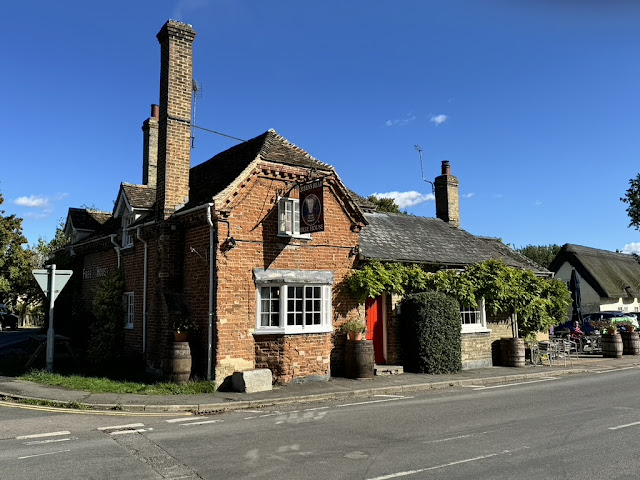
The village is home to the Queen's Head public house where we had lunch, The pub has been open since at least 1729 and is one of very few to have appeared in every edition of the Good Beer Guide. Its sign depicts Anne of Cleves.

There has been a small church in the village for at least a thousand years and the present church had long been in use as a chapel when it was finally consecrated in 1346. The church was dedicated to St James until the 18th century when it was dedicated to Saint Margaret.
After lunch we drove to Duxford another typical English village where we had a walk and could spot the historical planes flying over the village from the war museum situated at Duxford.

Our next visit was to Ely, a city that is dominated by its cathedral, the earliest parts of the present building date to 1083 and is outstanding for its scale and stylistic details. Lunch today was at The Cutter Inn which is located over looking the River Ouse and offers a grand and enjoyable menu.
Fenland Camping and Caravan Park. Wimblington, Cambs.
Did not have time to explore the area as we were here to visit old friends.

The campsite had 20 pitches total, 10 hardstanding and 10 on grass. It was i must admit a nice looking set up and only charged £20 per night including EHU but, theres always a but, the facilities were not very clean and during the 4 nights we stayed there no cleaning appeared to take place. Still it was only a 2 mile walk to spend time with our old friends.
Old Hartley Club Camp Site. Whitley Bay, Tyne and Wear.

What a difference 230 miles north makes. The scenery was greatly improved, the weather not so.


The Caravan and Motorhome Site is situated looking out across the sea which made it quite interesting when we had some strong winds, accompanied my some very heavy rain.

The facilities were first class, cleaned regularly very day and the on site staff were very accommodating and at £32 per night was worth every penny. This is one of the reasons i can't see the attraction of spending a week pitched up in a car park!

Some really nice coastal walks as the English Coastal path runs adjacent to the site.

You can get a bus just outside the site, our first trip being south to Whitley Bay.
The opening of the North Tyne Loop railway line in 1882, connecting the coastal villages to Newcastle, benefited the tourism industry. The line, now followed by the present Metro system, included a new railway station in the centre of the town, and another at Monkseaton. Both stations remain in use as Metro stations. Whitley Bay remains a popular holiday resort to this day, but must admits the centre is a little run downline like many other small towns.

Walked back the 3 miles along the coastal path, from which you can enjoy a close look at the renovation work being carried out on St Mary’s Lighthouse.


The following day the weather was not very good so we decided to take the 60 minute bus trip into Newcastle Town Centre. Probable a mistake as the weather did not improve therefore took the shine off our visit. Newcastle is what i would describe as a greyish city, very busy with lots of traffic. I'm sure there would be plenty to see if it was a better day.


More rain and wind the following day, but as it stopped after lunch. Walked up to Seaton Sluice and did a circular walk around Holywell Dene a steep sided ancient semi natural woodland and is transversed by a small river known as the Seaton Burn. The first reference to it was in 800AD when it was known as Merkel Dene. Much of the Dean is part of the Delavel Estate. Since 2000 it has been designated as a Local Nature Reserve.
A well deserved Hot Chocolate and cake at the Castaway, collecting messages from the local CoOp on the way back.

Believe it or not the sun came out the following morning so we took the bus north this time into Blyth Town Centre with the intention of walking back along the coast, actually it turned out to be further than we thought.
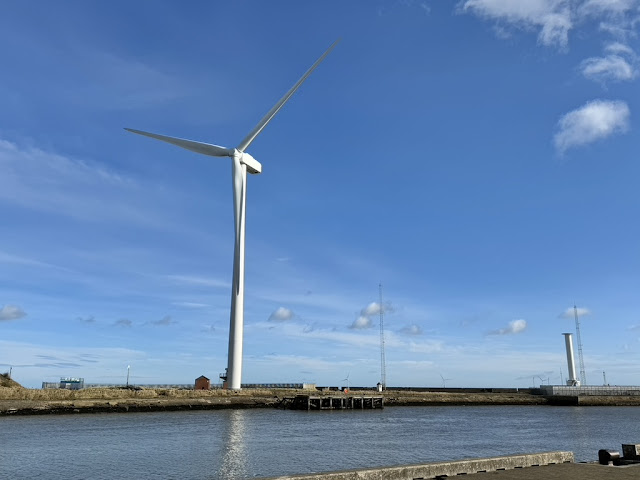


The port of Blyth dates from the 12th century, but the development of the modern town only began in the first quarter of the 18th century. The main industries which helped the town prosper were coal mining and shipbuilding, with the salt trade, fishing, and the railways also playing an important role. These industries have largely vanished, but the port still thrives, receiving paper and pulp from Scandinavia for the newspaper industries of England and Scotland. The town itself is going through a regeneration at present and certainly not before time. Lunch stop at Greggs and walk back.


Northern England is fine, but Southern England is certainly somewhere to avoid. Boring, flat and not particularly friendly.

The following day we drove back across the border into Scotland.