Lundin Links, Kingdom of Fife 2021

Our first trip away this year was a return visit to the last camp site we visited in 2020. Normally we would not go over old ground but an exception was made for Woodlands Gardens Caravan Site. At this stage I would apologise if I repeat anything in my previous blog.

Woodlands Gardens Caravan Site is a small family run campsite on the slopes of Largo Law in the East Neuk of Fife. It is a one-acre site with pitches normally set out in groups of four and five for pods, caravans, tents and campervans. All caravan/motorhome pitches are hard standing with electric hook up as standard. As our previous visit the site had in place extra Covid 19 measures for visitor’s safety including extra spacing for motorhomes and caravans, no tents at present, hand sanitiser stations, a red-light system for use of shower and toilet facilities block with other facilities, including the reception room and laundry closed -although we were allowed to use the laundry as a special concession.
This is a grand site that we were happy to visit again and would not hesitate to recommend it to other campers. The site was very busy this time as our stay coincided with a Bank Holiday Monday but Jan and Craig Young still managed to keep both site and facilities very clean and well organised, and as far as Covid is concerned we felt very confident about staying there.
 |
| Lower Largo. |
 |
| Alexander Selkirk. |
An enjoyable one-mile walk from the site brings you to Lower Largo, a conservation area situated on Largo Bay, which was an ancient fishing village and has historic links to the Knights Templar. Its main claim to fame however is as the birthplace of Alexander Selkirk in 1676. It was he who provided the inspiration for Daniel Defoe’s Robinson Crusoe. Outside 99-105 Main Street there is a life size statue of Selkirk dressed in self-made goatskin clothes scanning the horizon for the ship that will rescue him after four years and four months as a castaway on an uninhabited island in the South Pacific 7500 miles from home. Beaching’s cuts in 1965, to the railway network closed the railway line that went through Lower Largo but the viaduct that carried the track still dominates then village.

Our aim in visiting a particular location is to obviously explore the local area, but when you have been to the area previously it can be a challenge. Once our Motorhome is set up, we don’t tend to move it preferring to use our bikes, walking or public transport. Fortunately, within half a mile from Woodlands there is a bus stop from which runs three bus routes.


Our first bus trip took us to St Andrews, a beautiful town named after Saint Andrew the Apostle, whose relics are said to have been taken there in 732. St Andrew has been celebrated in Scotland for over a thousand years, However, it wasn't until 1320, when Scotland's independence was declared with the signing of The Declaration of Arbroath, that he officially became Scotland's patron saint.
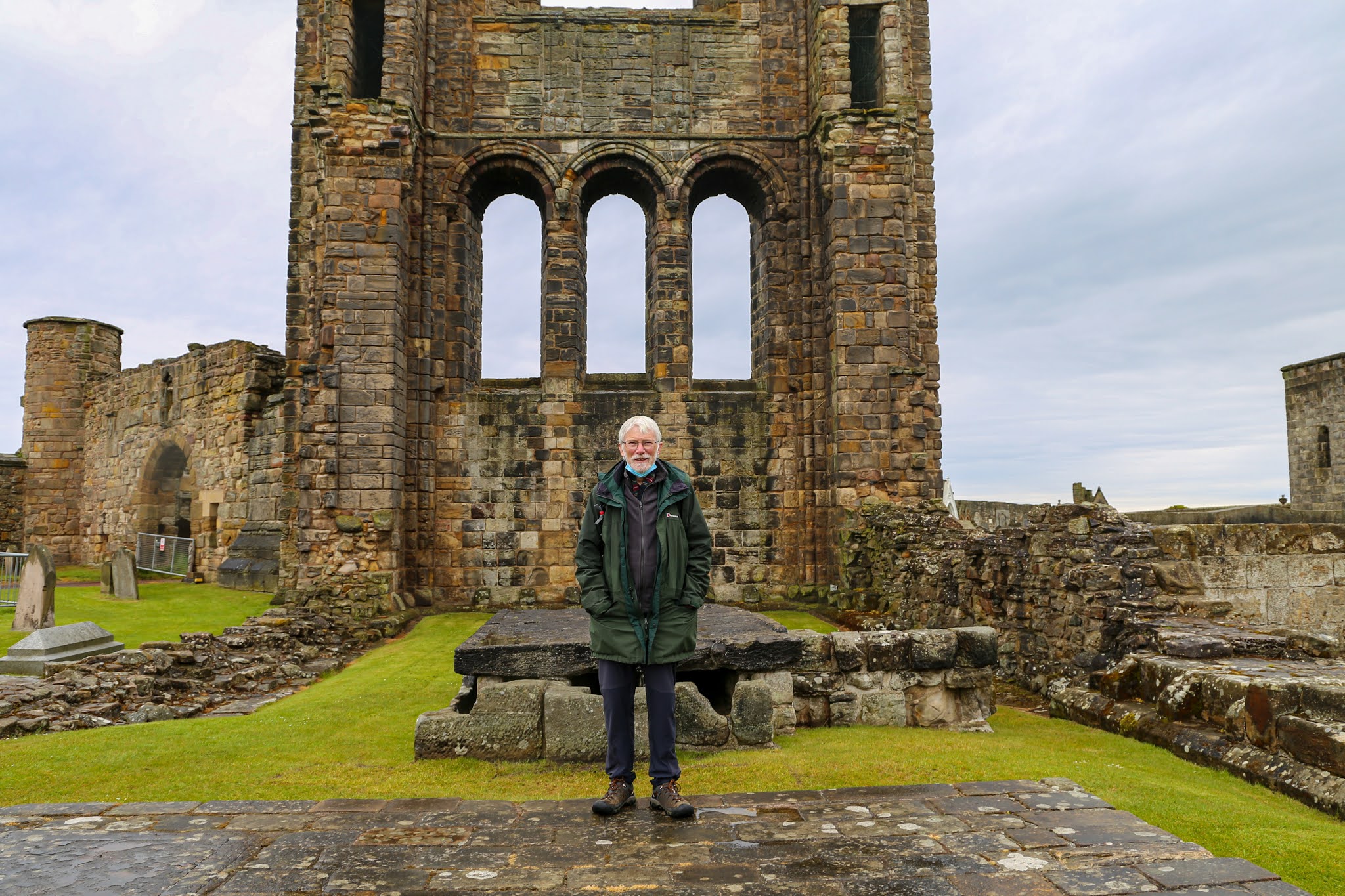
The town itself grew around its cathedral built in 1158, which was the headquarters of the Scottish church in Medieval times. In 1559, during the Reformation, it was ransacked by supporters of John Knox and left to ruin. The site itself had been used for Christian worship since the 8th century.
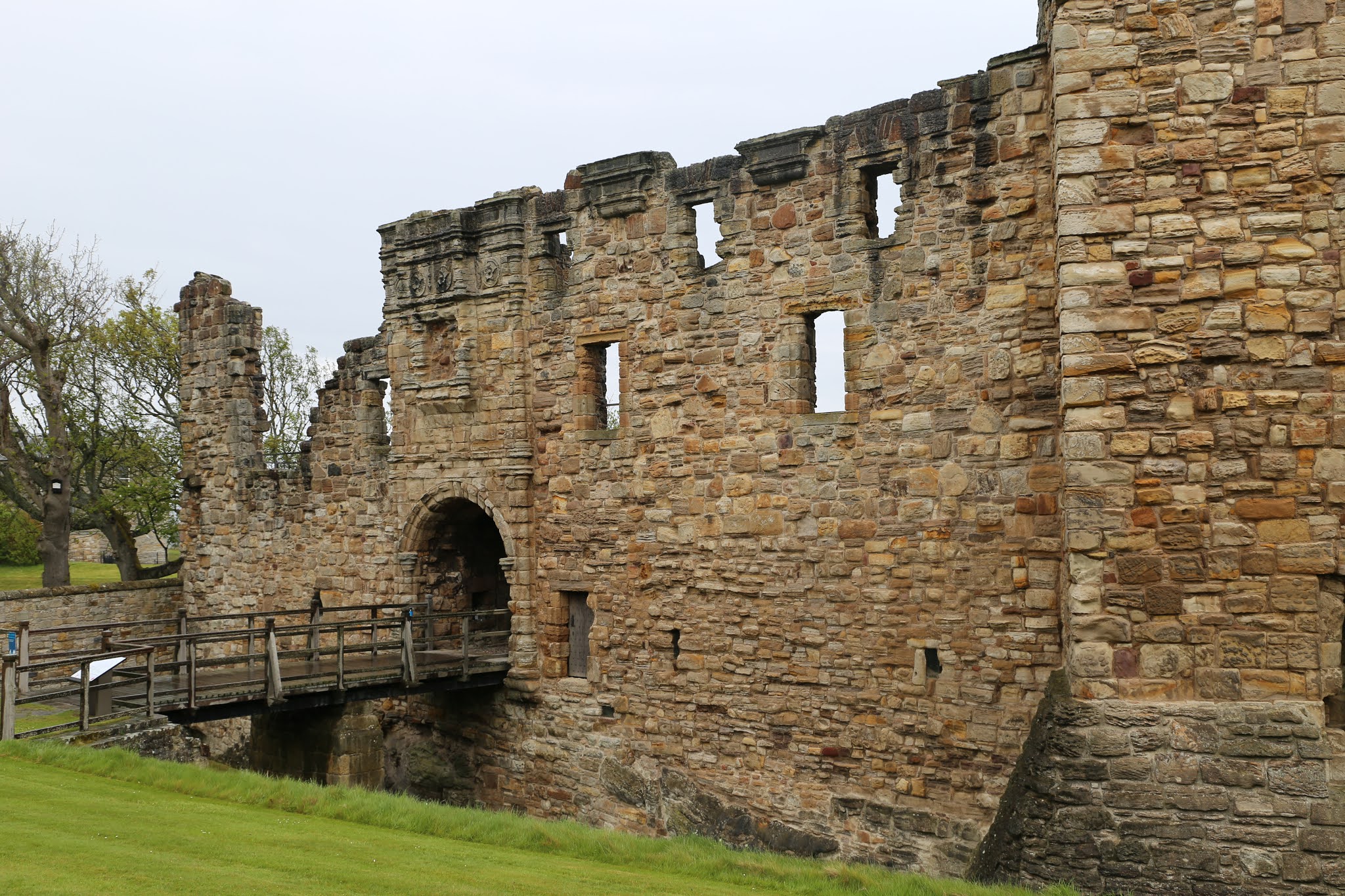


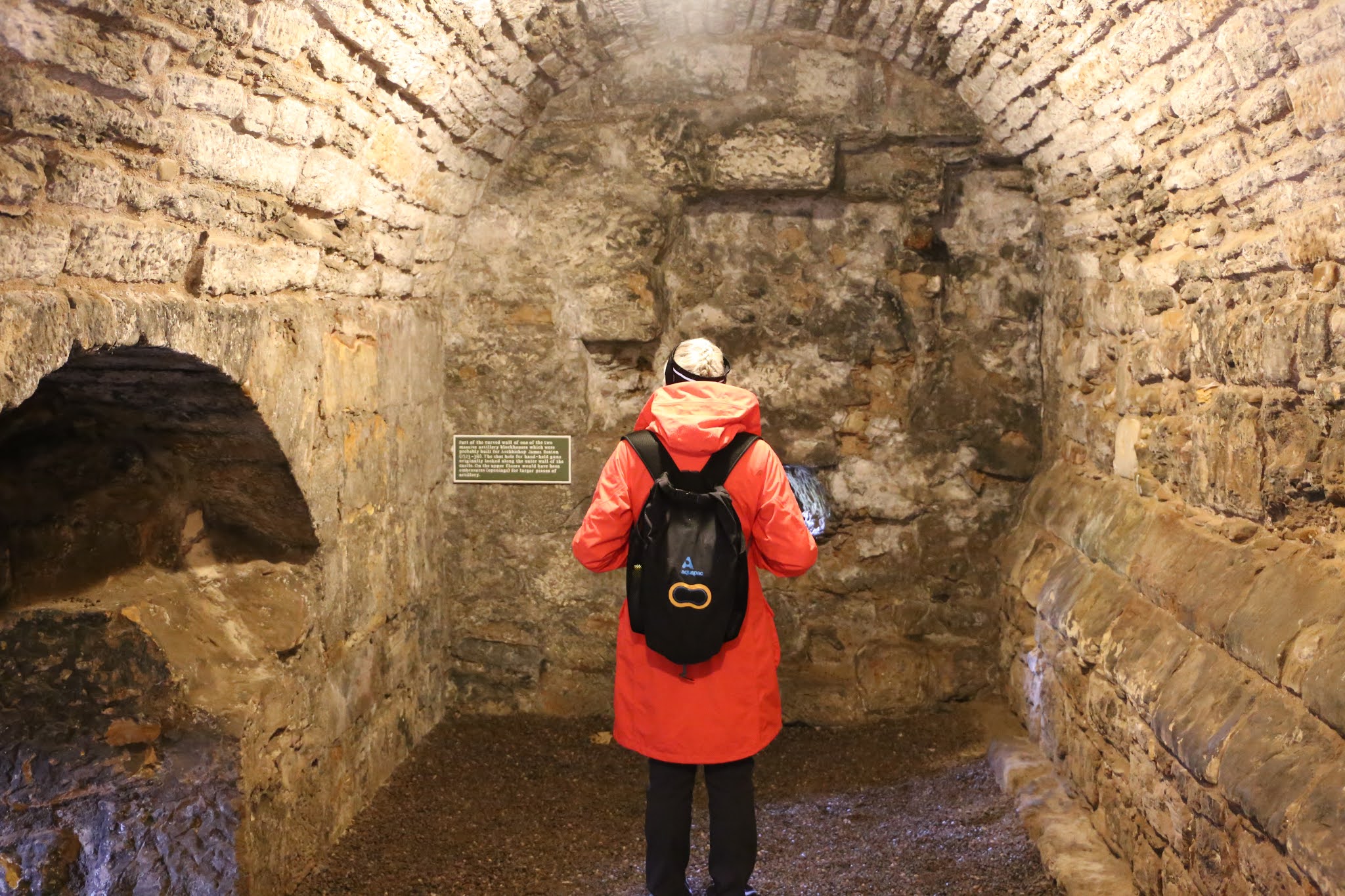
Another must to visit, preferable when it not pouring with rain because it’s built on a rock overlooking the sea and can be very windy, is St Andrews Castle which was the grand residence of Scotland’s most powerful churchman. This fortress was founded around the year 1200 and as with many of these historic castles has a history of murder, skulduggery and various invasions by the English


The town is home to the University of Scotland is Scotland’s oldest university, founded by Bishop Kennedy in 1411, as well as being the seat of the Royal and Ancient Golf Club which was founded in 1754. Its golf that attracts many of today’s visitors but we were more interested in exploring the architectural features of this well preserved monied town. It boasts at least three excellent book shops and a great selection of places to eat two of which we sampled. The first was the Northpoint Café where William and Kate met while both students, who indecently were visiting the town at the same time we were. As regular readers of our blogs will know our favourite fare for lunch is Fish Suppers. Although very expensive the Tailend serves delicious fresh fish sourced from Arbroath home of the famous Smokies. Just a word of warning be sure of checking the bus time table for your return journey as not getting this right can lead to a long wait at the St Andrews bus station.


Another bus trip took us to the attractive coastal village of Anstruther, designated as a conservation area in 1972. The harbour was the capital of the winter herring fleet prior to World War 1, and was once one of Scotland’s busiest ports. A very picturesque wee town with historic streets and original buildings to explore and obviously very popular with tourists. There are three Fish and Chip restaurants to choose from, we settled on The Wee Chippy for lunch having been to the Bread-and-Butter Café for elevenses. Although there is nothing obvious left of Dreel Castle, which dates from 1663, its interesting to note that the castle was the meeting place of a notorious secret Scottish society “of an erotic and convivial nature composed of the local Nobility and Gentry” obviously set up to attract a different class of visitor!
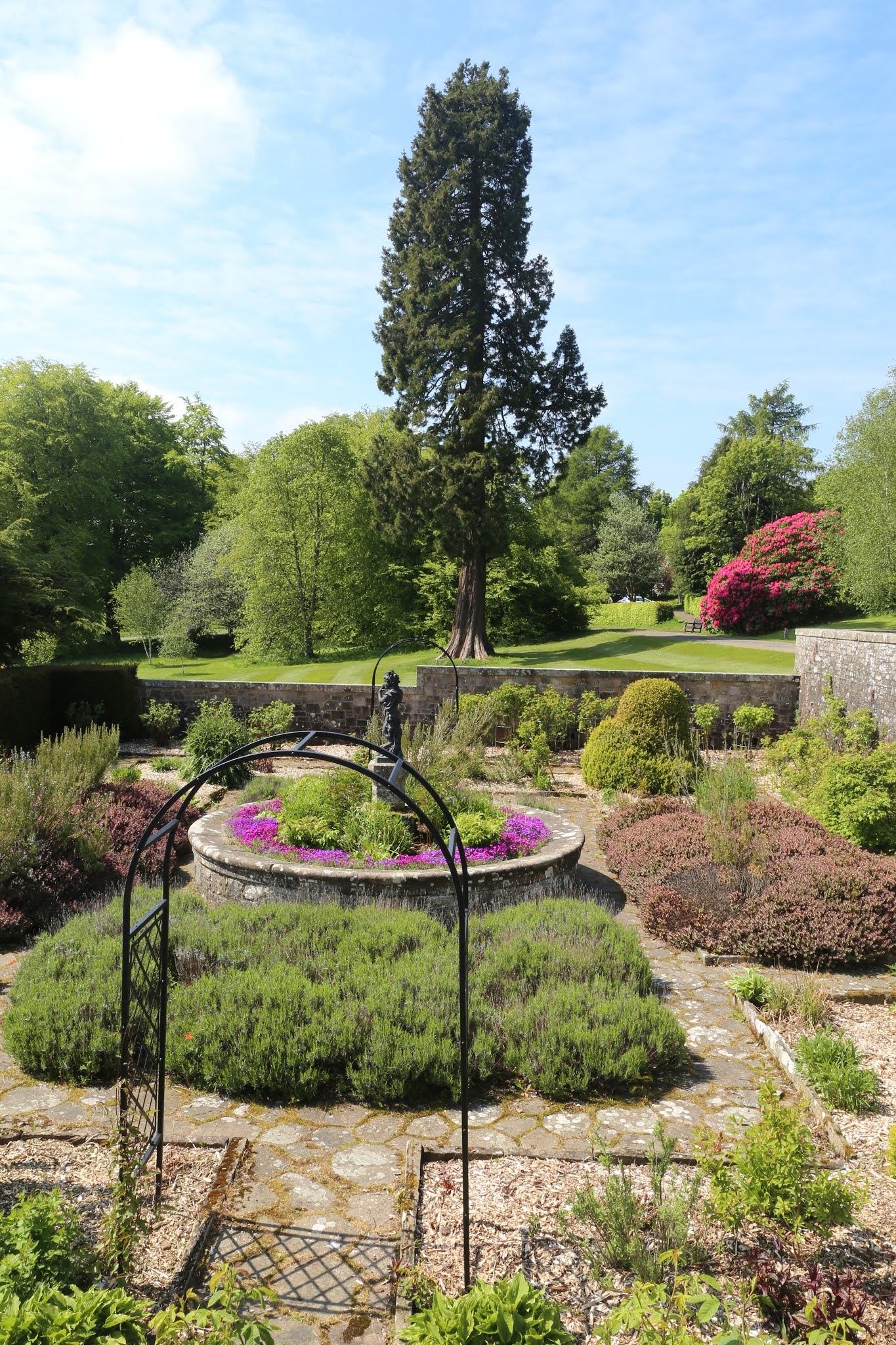


By now (the end of May) the weather was beginning to imitate ‘summer’ with some sun and warmth. So, bikes came off the Motorhome ready for a trip to the Hill of Tarvit a property and gardens bequeathed to the National Trust for Scotland in 1949. This Edwardian mansion house with its 500 acres of formal garden, forest and farmland some eight miles from our camp site is a hidden gem. We were aware before we set off that the house itself was closed but was reassured by the NT description that it was worth a visit just to see the gardens and for a walk around the estate.
 |
| Original Hickory Golf Clubs. |
 |
| Hill of Tarvit. |
Originally built in 1696 by William Bruce and called Wemyss Hall, then in 1904 entrepreneur Frederick Bower Sharp purchased the Hall and estate. Sharps family had made their fortune in Dundee’s jute industry (and allegedly sold cloth for sandbags to both sides during the American Civil War). We met up with Greta the house manager while walking in the grounds who very kindly opened up the ground floor of the house so that we could have an exclusive look inside. She explained that Sharp wanted a family home within easy reach of his Dundee interests but mainly wanted somewhere to house his extensive collection of paintings, tapestries, furniture and porcelain. The original building did not meet with his requirements so he engaged a top architect, Sir Robert Lorimer, to build a house that would meet his requirements. Over the next two years, the new mansion house now named Hill of Tarvit replaced the main block of the earlier house, although the rear service wings were retained. The new house was fitted with all modern conveniences, including electricity, an internal phone system and central heating. In 1924 Sharp added the twenties style Kingarrock 9-hole hickory golf course to the south of the house which can still be played. A lovely walk around the grounds and then the perimeter of the estate finished a rather enjoyable day. Our trip back included a stop in Ceres for some welcome refreshment.
 |
| Fife Coastal Path shrouded in Haar. |
Along the local coast line runs the Fife Coastal Path and consulting our OS map we thought that we could tackle a five-mile section of the pathway which would bring us Shell Bay. Although the walk started in thick Haar, once we reached Shall Bay, as forecasted, the Haar lifted to leave us with a very warm and sunny day. The walk takes you close to a golf course that reputedly costs £250, yes £250 for one round of golf!
 |
| Shell Bay Holiday Park. |
 |
| Walk back along the beech. |

The bay itself includes a large holiday park behind a long and busy sandy beach. Following our wee picnic, we walked up towards Ruddons Point to get a great view of the sweeping beach right back to Lower Largo. We were able to walk back via the beach and rewarded ourselves with a well-earned ice cream from Andy’s Store.
 |
| Another wee trip comes to an end. |


